


Groundbreakings are common in public service, but this one was unique: at PS 130 in Windsor Terrace, I picked up a shovel alongside a class of first graders as we broke ground on a schoolyard they had designed. They had visited other playgrounds, learned to draw plans, debate, and present them. Their classmates voted on the design, and their neighbors voted to fund it.
That’s what democracy feels like when it works. But for most Americans right now, it doesn’t feel that way.
In recent years, wealth and power have been flowing dramatically upward—to billionaires and corporate titans, who use their money to buy influence. Today, the United States is home to over 900 billionaires whose combined wealth has surged to nearly $7 trillion, taking the lion’s share of economic growth while working families struggle with the cost of housing, healthcare, and childcare.
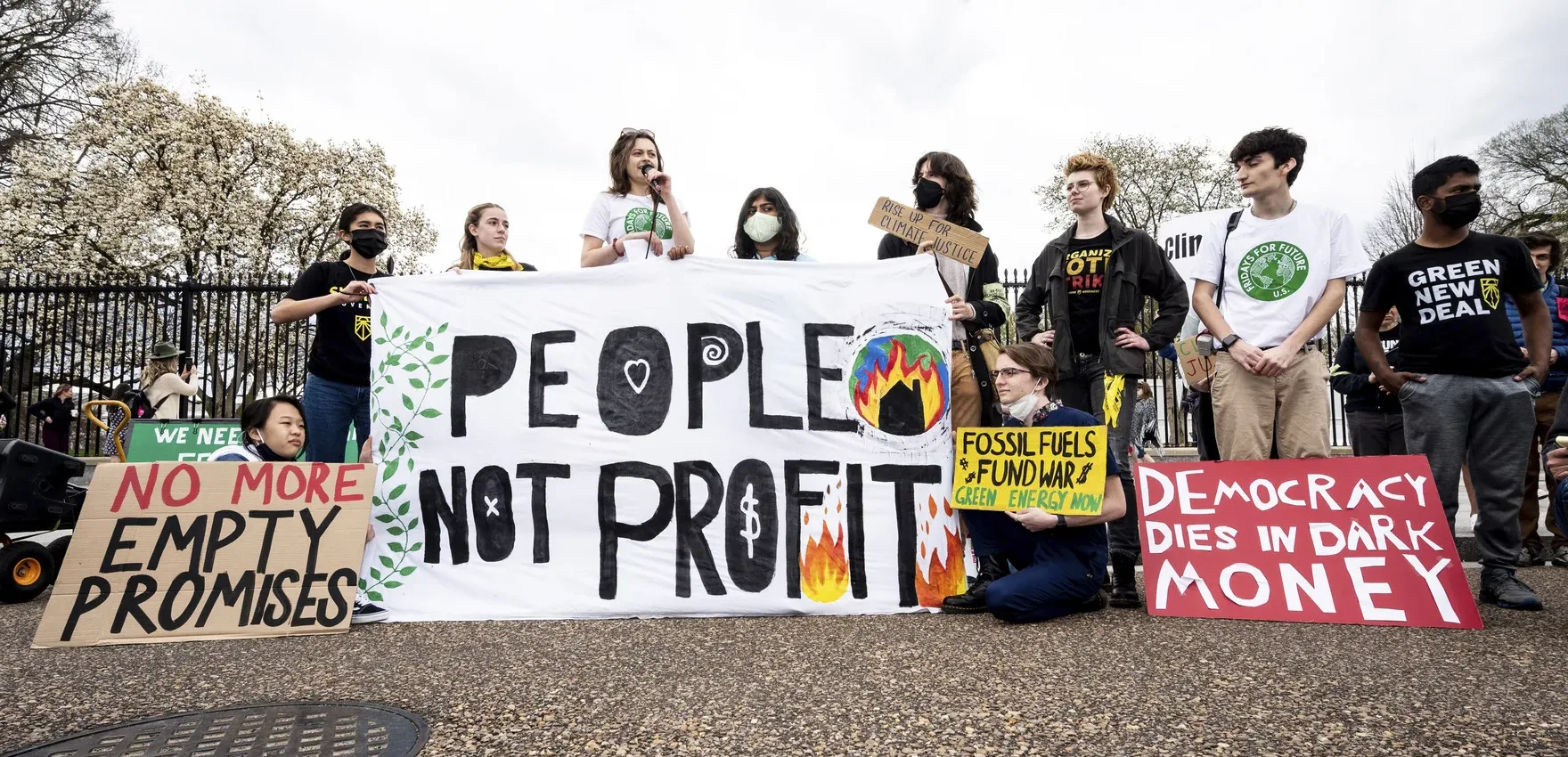
Combine that with the Citizens United decision enabling wealthy special interests to dump endless amounts of dark money into our elections, with Trump’s kleptocracy, and with the rise of corporate AI and social media algorithms, and the concentration of wealth has become a dangerous concentration of political power.
Too many corporate politicians are complicit. They say they oppose Citizens United, but they take money from crypto, Wall Street, private equity, and AIPAC, and smile as dark money SuperPACs spend on their behalf.
In March, Illinois held its congressional primaries. More than $92 million flooded the races, a state record. AIPAC spent $22 million through pop-up super PACs with names like “Elect Chicago Women” and “Affordable Chicago Now,” groups registered so late in the campaign that their donors were not disclosed until three days after the election ended. The ads ran wall to wall. Voters had no idea who was funding them. And notably, AIPAC never even talked about Israel. The same outside money is coming to New York, and we’re already seeing its impact in elections across our city and our state.
To save our democracy, we need to put a stop to this. And we can. In fact, we’re showing the way right here in New York City – with public matching funds, spending limits, independent expenditure disclosure requirements, ranked-choice voting, and participatory budgeting. I’m proud to have helped with each of them.
Last year, when Zohran Mamdani defeated Andrew Cuomo to win the Democratic mayoral primary, he earned more votes than any candidate in New York City mayoral primary history. He did it on small donations, amplified by the city’s public matching funds program. He did it with ranked choice voting, which enabled our historic cross-endorsement. And he was aided by rules that required the funders of the SuperPACs spending against him to disclose who they were.
That infrastructure did not appear overnight. In 2014, I sponsored the NYC Independent Expenditure (IE) Disclosure Act. The idea was simple: if you want to spend money influencing a New York City election, you have to sign your name. No shell organizations, no anonymous attack ads. In the years since, I have kept pushing to expand it, including to cover spending on ballot measures, because dark money, and the wealthy special interests behind it, will find and exploit any loophole they can.
I sponsored the legislation that brought ranked-choice voting to NYC. And I helped expand and strengthen the City’s campaign finance program, which includes matching funds, spending caps, and strong pay-to-play restrictions.
Democratic participation like we’ve embraced here in New York City shouldn’t stop at the ballot box. That’s why I helped bring participatory budgeting to New York City, where neighbors propose projects, develop them together, and vote on how to spend real public dollars. In our community, the Friends of Park Slope Library proposed a storytelling garden at the branch on Sixth Avenue, with an amphitheater, a community garden, and a reading circle, and neighbors voted to build it. Residents voted to fund mobile showers for homeless neighbors at the CHiPS soup kitchen on Fourth Avenue, because they wanted people in their community to have access to basic dignity. Democracy brings out people’s most creative and generous instincts when they are trusted with the decisions that affect their lives—and see tangible results from their participation.
In Congress, I will reform our campaign finance and election laws, get money out of our elections, and renew democratic participation. Of course I will push to overturn Citizens United, but I won’t wait and wring my hands, shrug, and then take corporate and SuperPAC money. I’ve never taken corporate PAC money, and I never will.
Instead, I’ll work to pass federal versions of everything we’ve done here in New York City (all of which can be done now): A strong IE disclosure act, requiring all donors to be publicly identified and top funders printed directly on every political ad. A public matching funds program for federal elections, modeled on what New York City built, so that a twenty-dollar donation from a neighbor can actually compete with a billionaire’s check. Proportional representation and ranked-choice voting, to address the doom loop of partisan gerrymandering. And new models of democratic participation, like participatory budgeting and citizens assemblies, to restore trust in government.
We know it works. We built it here and we’ve seen how powerful it can be when working people get a real say.
Every candidate running for federal office should be pressed on whether they will fight for these reforms, and whether they are willing to live by those rules in their own race first. The ones who will not answer that question plainly are telling you exactly who they’ll answer to in Washington.
Those first graders at PS 130 already understood something that too many of our elected officials don’t: what we build together is ours. In Congress, I’ll work every day to renew the spirit and practice of democracy–so badly under attack right now–so we can hand it off to them.