



Mayor Mamdani’s Commission on Government Efficiency (COGE) completed a two-month sprint last week with the release of a final report that features five proposals to amend the City Charter. The proposals represent an important first cut at the unglamorous cleanup and updating of Charter provisions that clog the wheels of city government.
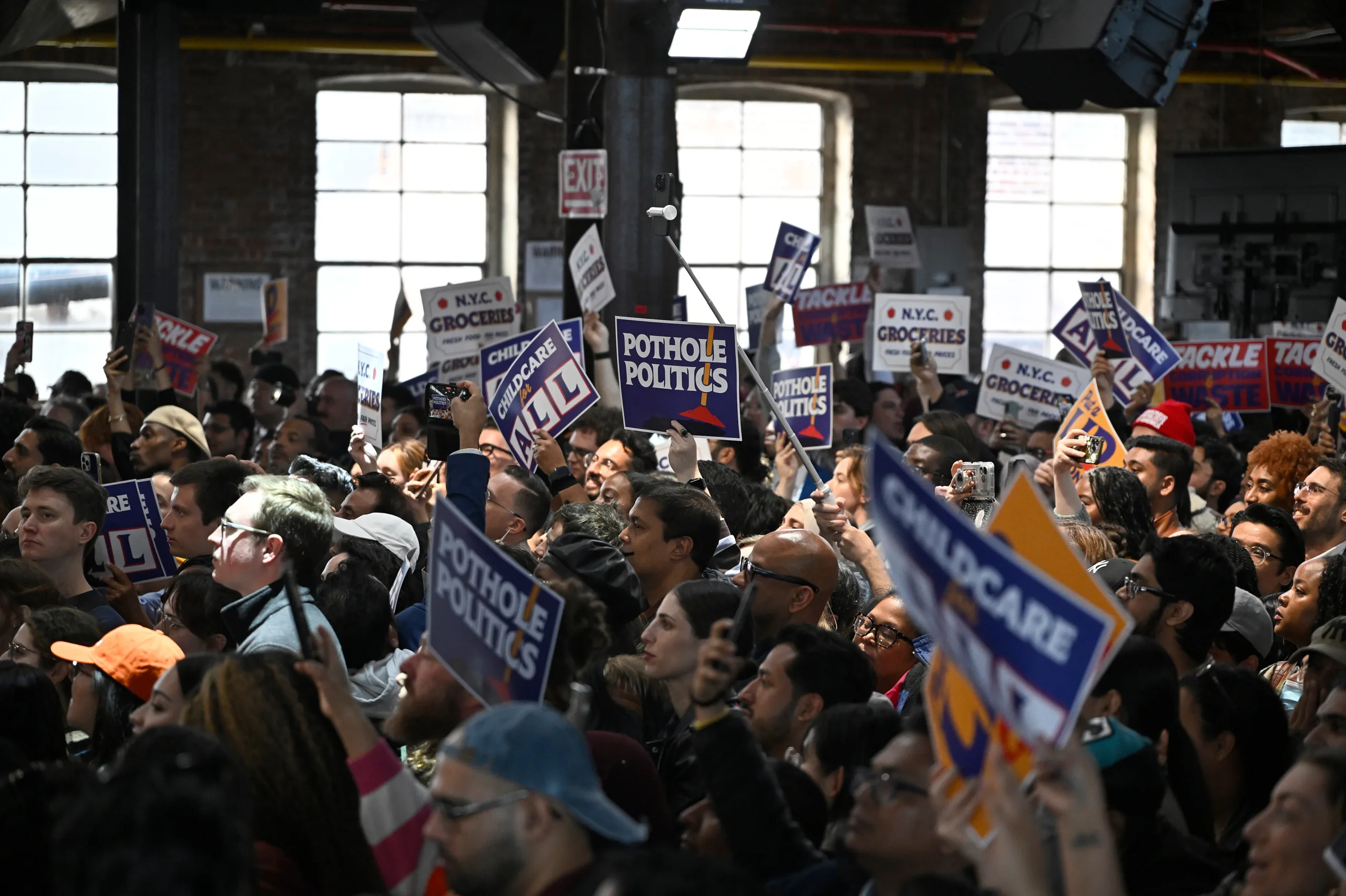
More than anything, the Commission’s report and recommendations reflect the Mamdani Administration’s commitment to what the mayor describes as “pothole socialism.” Filling 100,000 potholes during his first months in office was intended to demonstrate that municipal services can be delivered in a timely and effective manner. This brand of socialism is not seeking the overthrow of capitalism, but the achievement of a higher standard of government performance for the benefit of all.
COGE conducted two public hearings in each borough, where commissioners heard the frustration of New Yorkers with the slow pace, opaque processes, and poor results associated with their interactions with municipal agencies. Most compelling was the testimony of current and past city officials, who described the meaningless hoops they must jump through to do their jobs. In many cases, it was not lack of resources but the waste of time and misallocation of resources that were the biggest obstacles to meeting constituent needs.
In terms of Charter amendments to address these issues, the Commission settled on the following:
- Accelerate approvals for private use of public space;
- Simplify and speed up city contracting with small businesses and nonprofits;
- Fast-track street safety infrastructure and disposition or lease of city property;
- Centralize construction permitting; and
- Target 12% of tax revenues for “Rainy Day Fund” budget reserves.
In addition to these proposed Charter amendments, which voters will ratify or reject in November, the COGE report cites administrative and legislative actions that can improve the functioning of city government. The Administration is already acting on several, including a 14-day timetable for OMB review of agency hiring and faster disbursement of grants and contract payments to nonprofit organizations.
The Commission found that many of the most serious obstacles to efficient government are not Charter-related, but a function of laws, regulations, and administrative procedures emanating from all levels of government. To address the broad range of impediments, after the November election, the Mayor is reconstituting COGE as an Advisory Board that will help identify additional opportunities for improving government services.
During its deliberations, the Commission encountered multiple instances where the capacity of city government to modernize and become more efficient is severely limited by New York State laws and regulations to which municipal agencies are subject. For example, the state governs Civil Service, which imposes outdated job categories and qualifications that limit the city’s ability to hire and promote the people it needs. State law places overly prescriptive restrictions on local procurement and fiscal policies. For example, the city education department, which has the largest contracting budget of any agency, is subject to procurement rules of the State Education Department, which in turn reports to a Board of Regents that is effectively controlled by the State Assembly. So much for mayoral control of the schools!
Gov. Hochul has established a new initiative to identify and revise state laws and regulations that unnecessarily contribute to the high cost of living and doing business in New York. These efforts could be expanded to encompass a joint effort with the city administration to fix state mandates that interfere with efforts to reduce costs and enhance efficiencies at the municipal level.
Another major obstacle that thwarts the city’s ability to modernize and improve its operations is the outdated technology systems that support city operations. Agencies depend on multiple legacy IT systems that are both obsolete and do not communicate with each other. For example, the Commission heard testimony about the 311 and 911 systems, as well as cybersecurity functions, that are desperately in need of upgrading.
The Mayor recently announced an exciting initiative led by Chief Technology Officer Lisa Gelobter to create internal capacity to improve the online interface between agencies and the public. But a truly “smart” and efficient city government will require a substantial citywide investment in technology upgrades and integration under the CTO’s centralized control.
Advocates may argue that the Charter amendments proposed by COGE are inadequate to meaningfully disrupt the bureaucratic inertia and inefficiency of city government. They should take heart that the work of COGE will continue beyond November.
The city is likely to face growing fiscal challenges in the next few years, as the federal government continues to scale back America’s safety net and new demands are made on state and local government. New York City is home to a deep pool of business, labor, and academic expertise that can help identify ways to reduce the costs and increase the capacity of municipal agencies. The Mamdani Administration has demonstrated it is ready to draw upon that talent to achieve a more livable and affordable city. This effort deserves the support of all New Yorkers.