


This summer, New York City reminded the world why absolutely nobody stages a marquee event like we do.
From the Knicks’ historic championship run to the global frenzy of the FIFA World Cup culminating in Sunday’s historic finale — complete with tall ships sailing in our harbor for the nation’s 250th anniversary—the city transformed into a massive, interconnected stage. Toss in the spectacle of Taylor Swift and Travis Kelce’s wedding, a stacked calendar of global events plus the upcoming U.S. Open, and the energy citywide is as undeniable as it is perpetual.
We should absolutely celebrate these successes. But in sports, victory laps don’t win the next championship. The best teams head straight to the film room, studying what worked, what didn’t, and what needs to improve. New York should do the same.
If we want to remain the world’s premier host city — and compete for future events such as a proposed 2042 Winter Olympics — we need a championship mindset. That means celebrating our successes while honestly addressing our shortcomings. Our parades should shower ticker tape, but our government must stop burying neighborhood businesses in red tape.
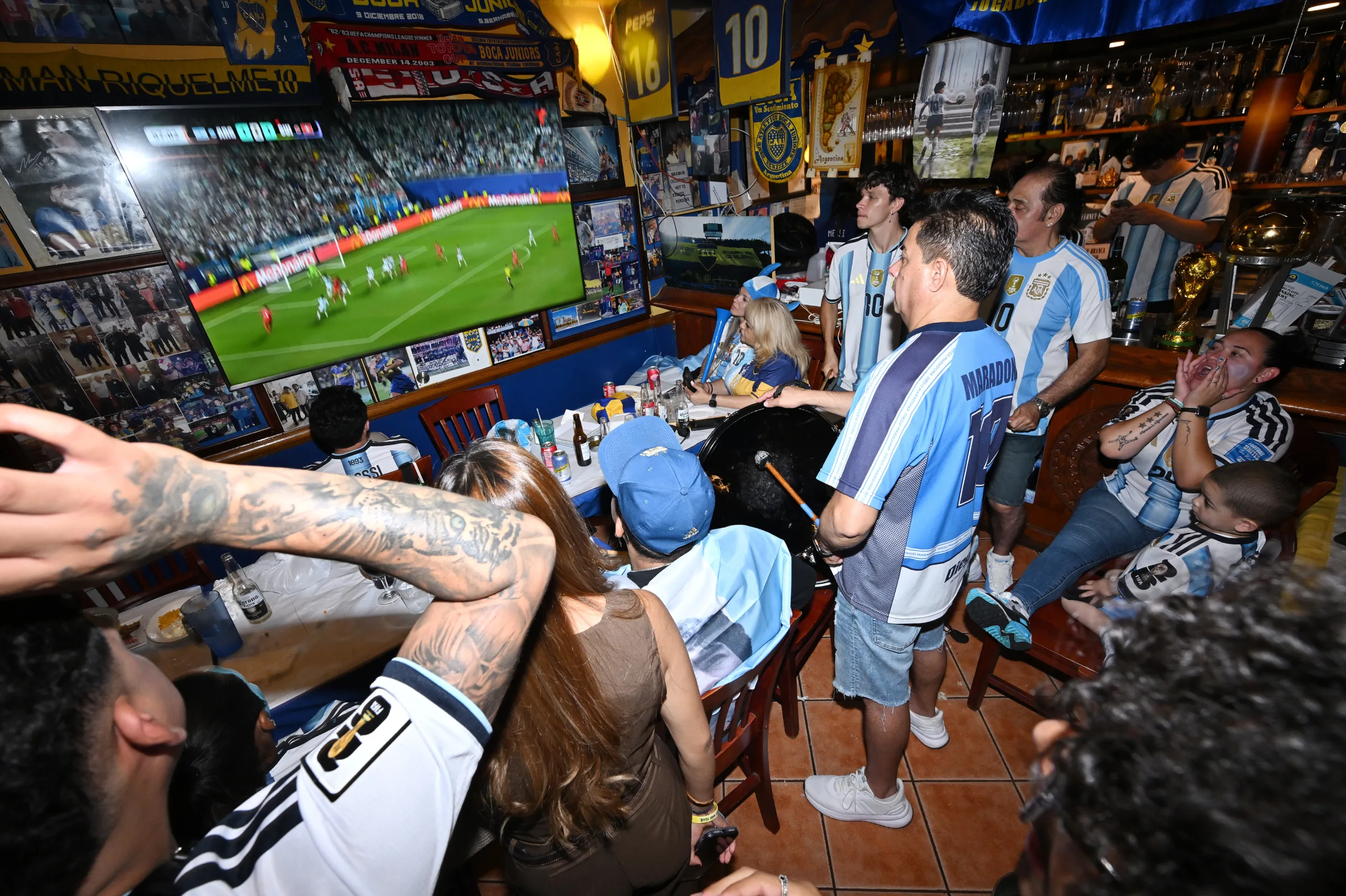
The Knicks’ unforgettable playoff run turned bars and restaurants into communal living rooms where New Yorkers celebrated together. According to a NYC Hospitality Alliance survey, nearly nine in ten establishments showing the games reported increased sales. Many hired additional staff, and operators described an atmosphere that “felt like NYC before COVID.” Every respondent said the Knicks improved the city’s business climate.
The World Cup highlighted another defining New York advantage: our diversity. Fans from around the globe found bars and restaurants representing virtually every participating nation. Fan zones, neighborhood events, and public watch parties encouraged visitors to venture beyond Midtown and experience the communities that make New York unlike anywhere else.
Yet despite years to prepare, too many small businesses encountered avoidable, last-minute obstacles that limited their ability to capitalize on the tournament’s economic promise.
Businesses were encouraged to host outdoor watch parties and community events, but the City failed to modernize regulations or streamline permitting in time to make many of them practical. Instead, operators faced costly permits, cumbersome rules, and unnecessary bureaucracy. Too many neighborhood businesses were effectively shut out of opportunities they should have been well-positioned to seize.
Other World Cup host cities temporarily extended operating hours for hospitality businesses. New York did not. Many bars and restaurants remained bound by existing liquor-license restrictions that forced them to close before late matches ended. Operators faced an impossible choice: ask customers to leave in the middle of a game or risk violating their licenses. Not even Albany’s last moment temporary extended-hours legislation adequately addressed the state and city’s maze-like alcohol regulations. Far more planning is necessary next time around.
Communication also fell short. After months of preparing for increased demand, many businesses learned only a week before kickoff that Midtown deliveries would face significant restrictions on match days. Restaurants relying on frequent deliveries of food, beverages, and supplies were left scrambling. That kind of notice should come months in advance—not days before one of the world’s largest sporting events.
Security measures, road closures, and transportation changes are inevitable. But their impact on neighborhood businesses should be minimized whenever possible. Some restaurants with roadway dining permits were told not to install their outdoor seating for the month-long tournament. Others installed their cafés only to be ordered to dismantle them shortly afterward, absorbing the costs of removal, storage, and reinstallation while losing valuable seating they had expected would be in peak demand.
Businesses in event zones also lose customers when barricades, street closures, and restricted access discourage foot traffic. Similar concerns arise when security “frozen zones” around Madison Square Garden remain in place for Knicks games even when the President is not attending. Businesses and workers deserve clear explanations about why restrictions exist, how long they will remain, and whether they continue to be necessary. Officials must strike the right balance between legitimate security needs and unnecessary economic disruption.
The ripple effects extend beyond immediate event areas. When employers encourage workers to stay home to reduce congestion, neighborhood restaurants, coffee shops, and retailers lose the regular customers they depend on. Event planning should focus not only on moving crowds efficiently but also on helping surrounding businesses continue to thrive.
New York also should invest more aggressively in tourism promotion and neighborhood organizations that connect visitors with communities across all five boroughs. Despite limited resources, local organizations worked tirelessly to showcase their neighborhoods during this summer’s events. Expanding those efforts would spread economic benefits more broadly, generate additional tax revenue, strengthen local businesses, and build greater public support for hosting major events.
None of these challenges diminish what went right. Public agencies executed countless aspects of these events with professionalism. Business groups, community organizations, cultural institutions, and everyday New Yorkers worked together to welcome millions of visitors and deliver an experience that only this city can provide.
Now we need to institutionalize those successes while fixing what fell short. Planning must begin earlier, coordination across agencies must improve, communication with businesses must be timely and consistent, and neighborhood economic participation should be treated as a core measure of success—not an afterthought.
That is especially important for events requiring years of preparation and spanning multiple mayoral and gubernatorial administrations. New York needs systems that preserve institutional knowledge, ensure continuity, and keep planning on track regardless of political transitions.
The goal should be an Olympic-caliber state of readiness—not just for a potential Winter Olympics bid, but for every major event that comes to New York. We need a playbook that showcases our city to the world while strengthening neighborhood economies, supporting small businesses and workers, and creating lasting benefits long after the crowds have gone home.
After all, New York’s greatest stadium has always been the city itself.