



A “Big Idea” from the City’s “smallest borough”? It’s almost a self-canceling phrase.
In fact, when City Hall advances “Big Ideas” — such as the “City of Yes” and its “Fair Housing Growth Strategy” — it fails to realize that “one size fits all” zoning and housing plans cannot work when one borough lacks the basic transportation infrastructure enjoyed by the other four.
The fact that 84% of Staten Island households own cars, compared with only 22% in Manhattan, illustrates the point.
Before Staten Island joined New York City, it was served by three ferries and, until the 1950s and 1960s, by three rail lines. Today, we have one public ferry, first launched by Cornelius Vanderbilt in 1838.
Manhattan, the Bronx, Queens, and Brooklyn are widely crisscrossed and interconnected by the New York City subway system, while Staten Island still has the same single rail line from St. George to Tottenville first opened in 1860 — before Abraham Lincoln was elected.
We had more train service when Staten Island’s population was about 50,000 than we do today, with roughly 500,000 people.
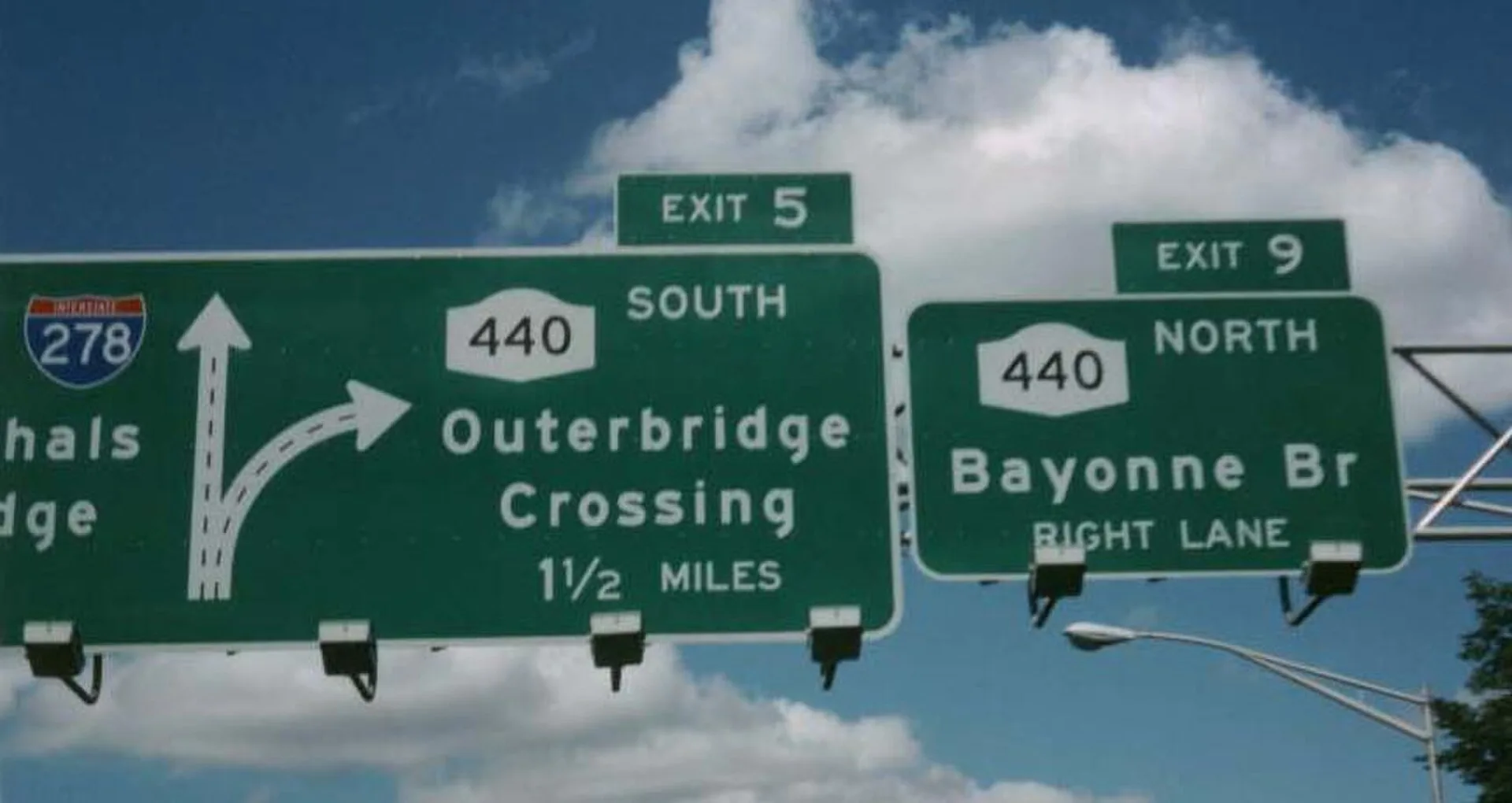
Even our road infrastructure — which we rely on heavily — is in places badly dated. The Outerbridge Crossing will celebrate its 100th anniversary still largely as it was when built.
Because of Staten Island’s history and geography, it’s clear why “one-size-fits-all” housing plans for New York City are non-starters here.
That’s the “Big Idea” — the Big Reality — Staten Islanders wish the Mayor and City Council could one day understand.
More importantly, Staten Islanders understand and respect another, even greater fact of our geography: we are the southernmost point of entry to, and exit from, the State of New York.
Because of inadequate public transit, many Staten Islanders use our expressways simply to get from Point A to Point B, while many New Yorkers and non-New Yorkers use those same expressways as pass-throughs to other destinations.
Accordingly, Staten Island’s “Big Idea” — one that would serve Staten Islanders and non-Staten Islanders alike — is to update and expand our expressway lanes so they can better accommodate both passthrough and local traffic.
Right now, the borough’s primary throughway — the Staten Island Expressway, or I-278, running from the Goethals Bridge into New Jersey to the Verrazzano-Narrows Bridge into Brooklyn — is woefully incomplete.
About two-thirds of the way through the westbound side, four lanes suddenly become three, creating constant merging and significant traffic throughout the day.
Eliminating this bottleneck would go a long way toward relieving expressway traffic. It is an easy fix, yet the State has repeatedly refused to make it.
Correcting the error will require federal, state, and local planning and financing, so the burden of our “Big Idea” does not fall on one level of government.
And it should involve all levels of government, because this change is not just local. Given our geography, its benefits would be regional.
Because many non-New Yorkers, particularly commercial drivers, rely on the Staten Island Expressway as a throughway, traffic jams affect them just as much as borough residents.
Every buildup caused by this bottleneck slows not just people getting home, but commerce itself, as city businesses rely on the movement of goods across this expressway. The same is surely true for people and businesses in New Jersey, Connecticut, Pennsylvania, and beyond. At a minimum, it is an inconvenience. At worst, it is a significant cost in fuel and, more importantly, time.
There is a notion among some critics that extending a lane does not alleviate traffic, but invites it. But what is the answer when a short-sighted error of execution artificially creates the traffic that needs relief?
Staten Island relies on cars and needs more, better transit options, or, at the very least, a return to the level of service we enjoyed 150 years ago.
Similarly, people throughout the region rely on cars and trucks to work, visit family, enjoy recreation, and do business.
It is not just the people on the road who feel the effects of traffic — it is a weight on household wallets and business balances.
We can work together to fix one of the most heavily trafficked and relied-on thoroughfares on Staten Island, in the City, and across the State. In doing so, we can make travel easier for everyone in the region.
All it takes is for decision makers at every level to listen to a “Big Idea” from the City’s smallest borough.