


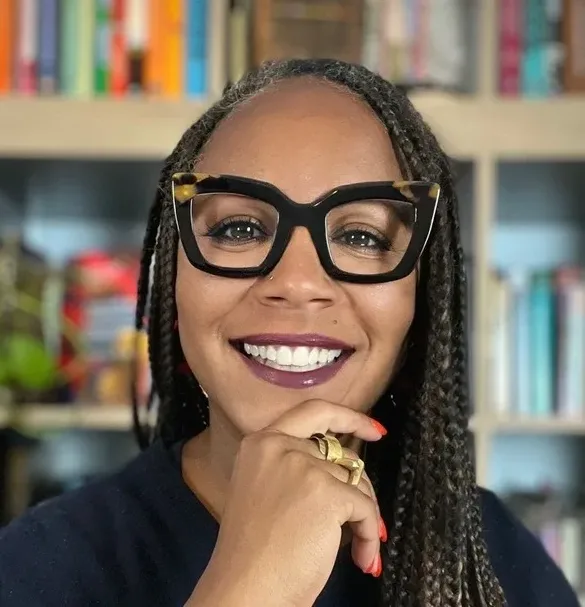
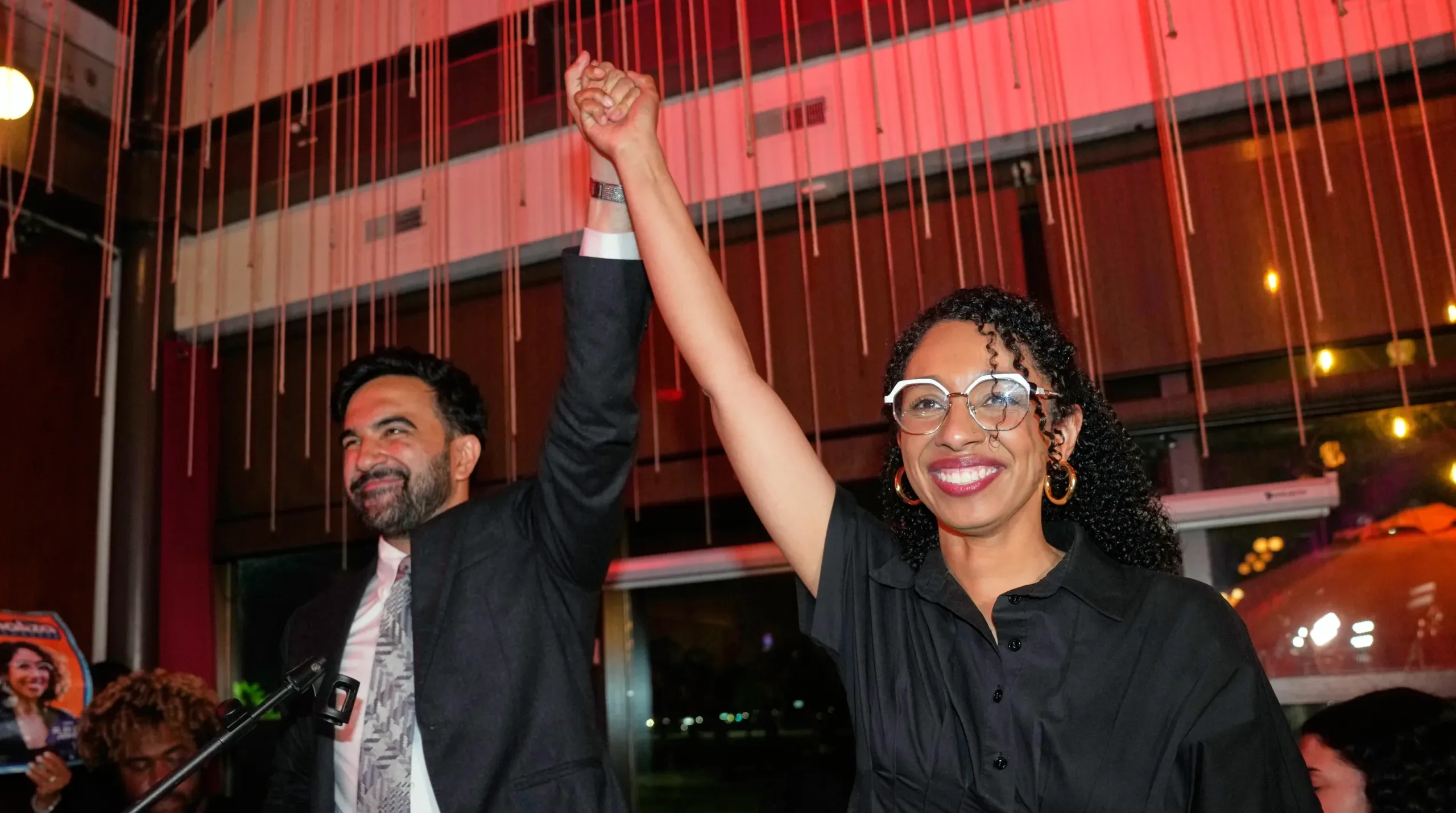
Tuesday, June 23 was a strong night for Mayor Mamdani and the broader DSA movement. Their slate of candidates across state legislative and congressional races showed that the project extends beyond the mayor’s personal appeal — though that played a significant role in the three major contests. The results suggested that the message—more than the messenger—is what’s resonating. Their candidates ranged from political newcomers like Darializa Avila Chevalier in Upper Manhattan and the South Bronx, to recent entrants like Assemblymember Claire Valdez , to longtime elected officials such as Brad Lander.
But, of the three, NY-13 holds some of the most interesting clues to the city’s future due to its storied past. Beyond the DSA-establishment contest, Chevalier’s upset of five‑term Congressman Adriano Espaillat offers early signals on the trajectory of Black politics.
Chevalier, a 32‑year‑old Afro‑Latina organizer, centered her campaign on affordability and long‑term planning for the district. She avoided relitigating old tweets and instead asked voters how they wanted their tax dollars spent. Her critiques of Espaillat’s relative silence on issues from immigration to the Israel/Gaza conflict resonated with parts of the electorate. Others had long voted for the incumbent out of habit, especially since past challengers posed little threat. As recently as nine months ago, Chevalier herself seemed unlikely to break through—but focusing on areas of the district that felt overlooked proved decisive.
To understand the district’s present, it helps to revisit its past. What is now District 13 has shifted shape and number for more than eighty years. Adam Clayton Powell Jr. won the seat in 1944 as New York’s first Black member of Congress. After thirteen terms, he was unseated in 1970 by Charlie Rangel, who would hold the seat for forty‑six years, weathering demographic change, immigration waves, gentrification, and Columbia University’s expansion. For more than seven decades, Powell and Rangel made the district synonymous with Black political power. Even as redistricting added Spanish Harlem, Washington Heights, Inwood, and parts of the South Bronx, the “Harlem seat” remained the anchor of Black political leadership. Figures from city government to Albany—including David Dinkins—emerged from this ecosystem.
When Rangel retired in 2016 without a clear successor, Espaillat seized the opening after two failed attempts, consolidating Latino voters and winning the seat. His victory raised immediate questions about the future of Black Harlem. Keith Wright, a longtime Assemblymember and party leader, lost that race, and many assumed his political influence had ended. Meanwhile, Black New Yorkers were being priced out of Harlem, and the district’s demographics continued to shift. For many, the “Harlem seat” no longer looked like a Black political stronghold.
Espaillat’s rise also coincided with a broader shift in Black political power toward Brooklyn, with leaders like Mayor Eric Adams, AG Tish James, Public Advocate Jumaane Williams, and Congressman Hakeem Jeffries shaping the city’s political landscape. Reports indicated that Espaillat and Wright had not spoken since 2016, even as Wright helped elect Yusef Salaam to the City Council in 2023 and his son Jordan Wright to the Assembly in 2024. Espaillat had continued winning without Harlem’s political establishment, and this cycle initially appeared no different.
When asked months ago about Chevalier’s chances, I believed several conditions had to align: she needed a disciplined, district‑wide campaign; the city had to be in an anti‑establishment mood; public opinion on international issues—especially Israel—needed to keep shifting left; Mamdani’s endorsement had to land; and her economic message had to be unmistakably clear. All of that happened. Add late‑cycle allegations that Espaillat invoked anti‑Black tropes—claims he denied—and Chevalier’s path opened further. It’s too early to know whether those allegations affected Black voters.
Early numbers show Espaillat still carried majority‑Black areas, which is not surprising. Black voters often make strategic, risk‑averse choices, preferring experienced incumbents who can deliver tangible political goods. We saw a similar pattern last year when most Black voters backed Cuomo over Mamdani in the mayoral primary. Even when insurgent candidates speak to Black voters’ concerns, the electorate often prioritizes stability. Chevalier’s base resembled typical DSA coalitions: younger, higher‑income, and more educated voters.
The open question is how Congresswoman Chevalier will incorporate Black voices into her agenda. Her background as an organizer and her emphasis on affordability suggest an opening. Will she collaborate with the Wrights and other Black leaders to articulate a shared vision for Black renters, homeowners, and business owners? Or will the Wrights mount their own effort to reclaim a seat long associated with Black political power—especially since Jordan Wright was one of the few Assemblymembers to fend off a DSA challenger?
And will the DSA’s message—and its messengers—begin to resonate with strategic Black voters in future cycles? MLK and Malcolm X warned of the white progressive who comes to Black communities with a shared class vision but very little racial analysis or understanding.
District 13 has not experienced a political shift this significant since 1970. The racial, ethnic, and gender implications of Chevalier’s win are substantial. For her to succeed now and in the future, it may serve her well to remember both the foundation of her campaign and Charlie Rangel’s reminder: “We are not fighting for salvation and going to heaven. We are fighting for Medicaid, Medicare, health care, education, jobs, helping old folks.”