


When I speak to constituents across my district, the top concern for far too many is the cost of living — and it’s only getting worse.
Over two thirds of New Yorkers recently reported having to choose between putting food on the table and paying for other basic necessities. In the wealthiest nation in the world, that’s simply unacceptable. The rich are getting richer, while working families struggle to make ends meet, and the American Dream is becoming out of reach for more and more people.
There is no silver bullet that will unrig our system, but there are creative approaches we can take in Congress to start leveling the playing field and prevent working- and middle-class New Yorkers from being priced out of the city they’ve always called home.
My Redistribution of Billions by Instituting New High-Income Obligations on Overlooked Debt Act, otherwise known as the ROBINHOOD Act, would tackle this challenge head on by closing a loophole that the ultra-wealthy have long used to avoid paying taxes almost entirely.
A 2021 ProPublica investigation revealed that America’s 25 richest individuals paid an average effective tax rate of just 3.4 percent — less than 10 percent of the top federal income tax bracket. Billionaires like Elon Musk and Jeff Bezos paid effective tax rates of 3.3 percent and 1 percent, respectively.
For Musk, Bezos, and many other ultra-wealthy Americans, their wealth is in stock, not salary. Rather than sell their Tesla or Amazon stock to pay for their yachts, mansions, and private planes, which would trigger a capital gains tax of 20 percent, they borrow against their stock, which is not considered to be taxable income. As a result, the loans are not taxed at all while their assets continue to grow, compounding their untaxed wealth.
As of 2022, Elon Musk had pledged $94 billion in Tesla shares as collateral for personal loans. And beyond the top 400 wealthiest Americans, the next richest 1 percent collectively borrowed over $1 trillion in 2022 alone.
To make matters worse, upon their death, the stock benefits from a stepped-up basis when it’s passed down to the next generation, which means the “cost” of the stock resets to whatever the value is upon death and the gains also reset. This practice — commonly referred to as the “buy, borrow, die” loophole — is widespread and well-documented. And it is the root cause for the dramatic escalation of wealth inequality in our country.
My ROBINHOOD Act would close this tax avoidance loophole and ensure the ultra-wealthy finally pay their fair share, generating more than $30 billion each year. That’s enough revenue to fund critical programs like universal childcare nationwide, with money left over to improve healthcare, housing, education, and more for working families.
So, how would it work? It’s actually quite simple.
My bill would impose the long-term capital gains tax rate of 20 percent on loans and lines of credit that the ultrawealthy take out against their capital assets. This includes loans backed by personal financial investments — including stocks, bonds, private equity, yachts, art collections, digital assets, trusts, and more — that are currently untaxed, allowing the rich to get richer as everyone else gets crumbs.
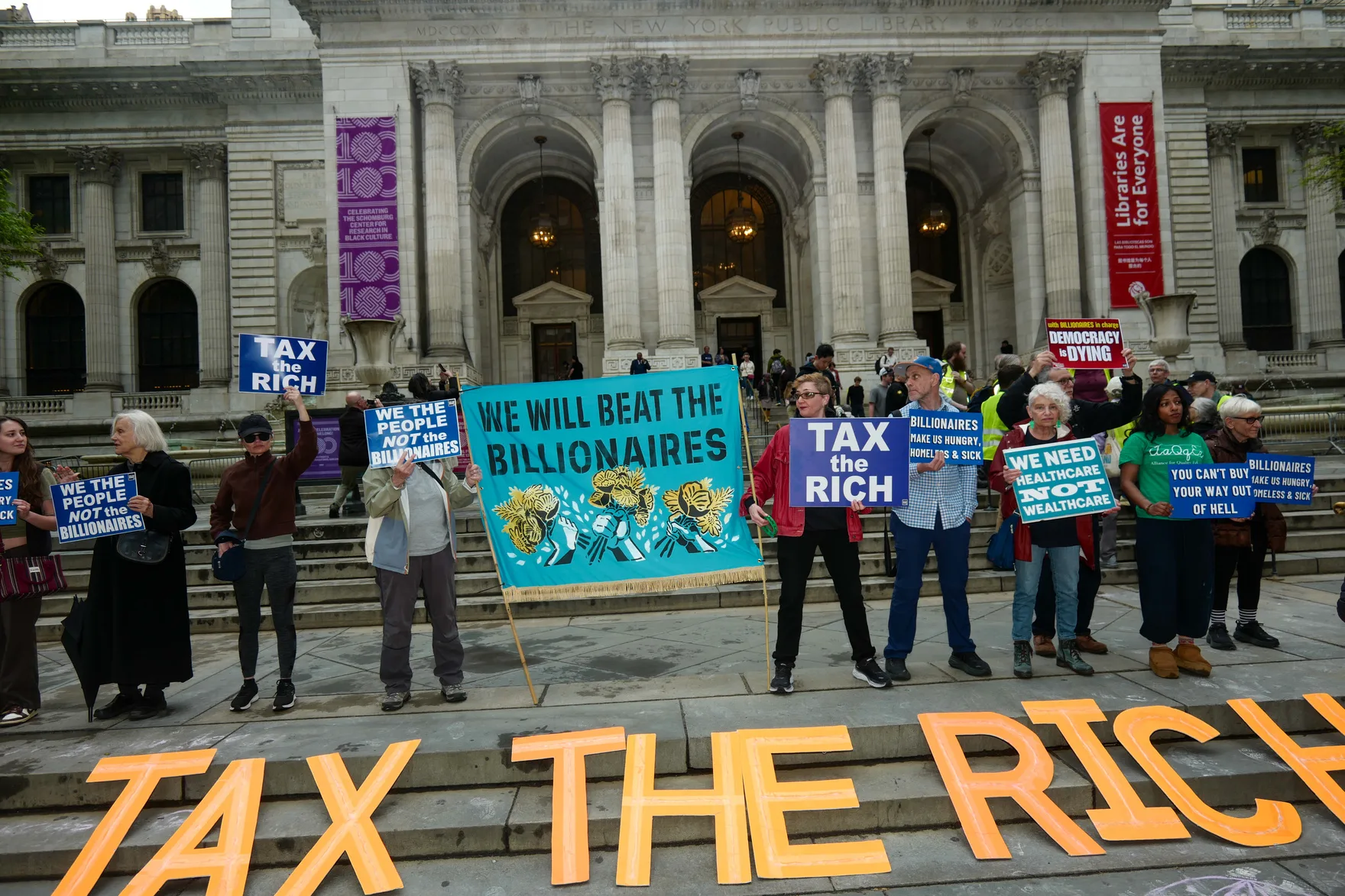
It’s long past time to implement basic fairness in our tax code and ensure the wealthiest among us pay their fair share. This task won’t be easy, but I’m building a broad coalition of support that includes positive feedback from colleagues across the aisle, who may oppose raising the marginal income tax rate but can support making billionaires pay their fair share.
While we cannot unrig our economy in one fell swoop, my ROBINHOOD Act is the first step toward restoring the promise of the American Dream and making New York City more affordable for all who call it home.