



Every summer, New Yorkers confront a simple question with complicated consequences: how do we care for the places we share? In a city where millions depend on parks, streets, and public spaces every day, that question isn’t rhetorical — it’s operational.
Across New York, the public realm is absorbing more pressure than ever. It hosts large-scale events, supports local economies, and functions as essential civic infrastructure. With that use comes a visible and growing challenge: waste.
This summer, tens of thousands will gather beneath the Kosciuszko Bridge at Under the K Bridge Park. These events are more than cultural programming. They are economic engines, public safety operations, and real-time tests of how well our shared infrastructure performs.
They also generate significant waste.
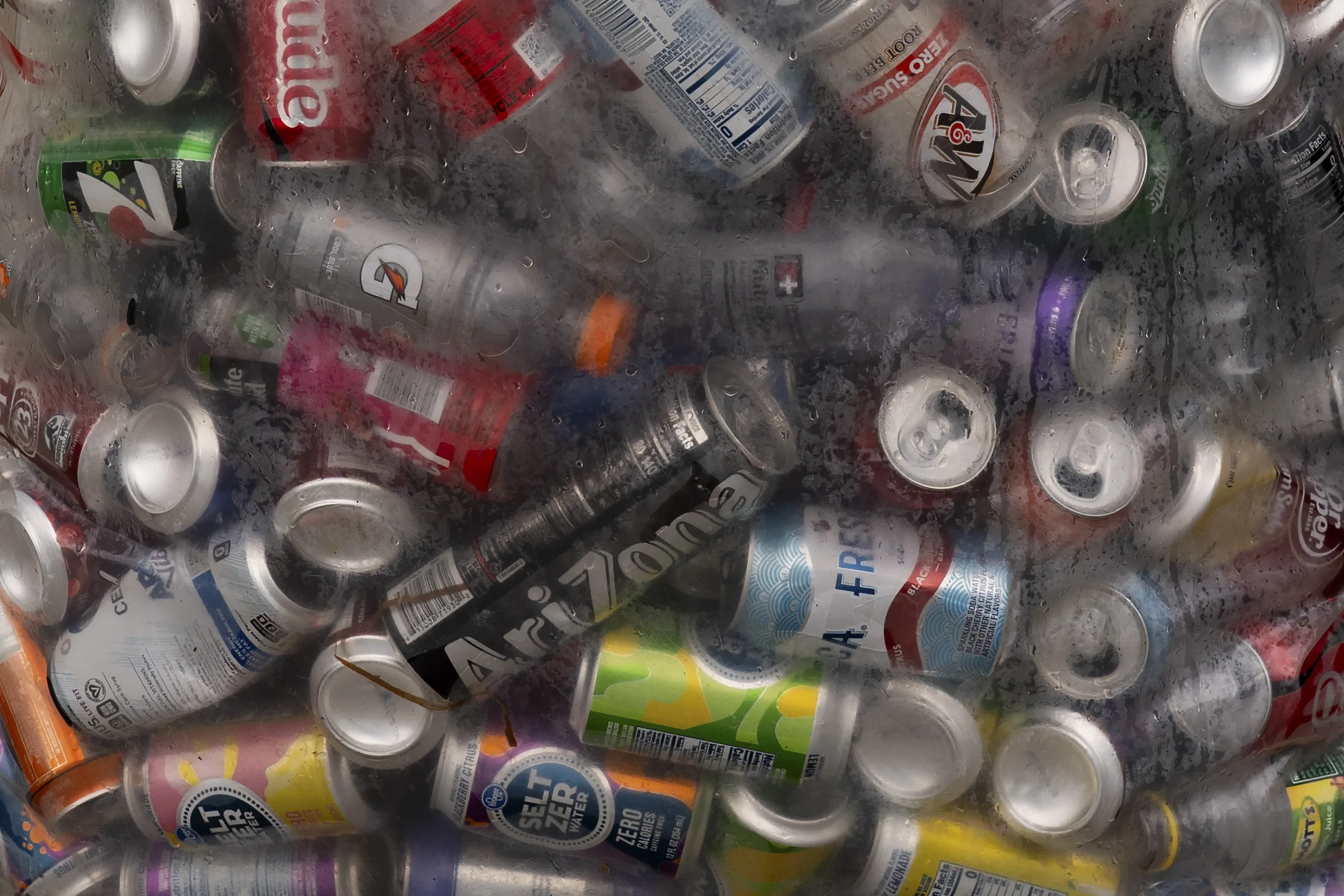
When the music stops, what remains is a stream of aluminum, glass, and plastic moving through an outdated recovery system. For public space managers, the question is practical: how do we sustain high-volume use while reducing cost, waste, and strain?
New York’s Bottle Bill is no longer equipped to meet that moment.
Enacted in 1982, the Returnable Container Act reduced litter and increased recycling by aligning environmental goals with market incentives. But the law has not kept pace with modern consumption, production, or urban operations.
Today, it excludes a large share of the beverage market. Sports drinks, iced teas, energy drinks, and many alcoholic beverages are not covered – yet these are the products most often consumed in parks and at events. At the same time, the five-cent deposit has lost its impact and no longer drives behavior at scale.
The system’s infrastructure is also eroding. Redemption centers are closing under rising costs and thin margins. As they disappear, access declines and redemption rates fall, sending more containers into the municipal waste stream.
This is not just environmental. It is an operational and fiscal one.
The proposed Bigger, Better Bottle Bill offers a clear path forward. It expands container coverage, raises the deposit to 10 cents, and increases the handling fee for redemption centers, strengthening a different part of the system.
At large events, deposit value shapes behavior. A 10-cent incentive increases return rates. Attendees are more likely to use collection points, and informal canners are more likely to collect onsite. Canners, who often work at the margins of the formal economy, are a critical part of New York’s recovery system. They operate where waste is generated and move material quickly.
Higher handling fees also support redemption centers and improve system stability. For those responsible for managing public space, the outcome is clear: higher diversion rates, lower hauling costs, and less material entering the waste stream – all without new public spending.
At the city level, the fiscal impact is significant. Increased redemption reduces the volume handled by the Department of Sanitation, lowering collection and disposal costs. At the state level, the policy supports small businesses and informal labor, strengthens a decentralized recovery network, and advances circular economy goals without new taxes. The deposit remains refundable. The system remains incentive-based.
For organizations like ours, modernization is necessary.
We are building toward circular waste systems, working with nonprofit canners, local processors, and private haulers to keep materials in circulation for as long as possible. The goal is not “zero waste,” but a system that is efficient, accountable, and grounded in reality. Yet current law limits what we can recover. Large portions of the waste stream are not eligible for deposit.
The Bigger, Better Bottle Bill closes that gap.
Opposition often frames expansion as a burden. That framing is incorrect. A deposit is not a tax. It is a refundable incentive tied to performance. It assigns value to material, rewards recovery, and reduces public cost.
The policy is efficient. It builds on existing systems, requires minimal new administration, and delivers measurable results.
For lawmakers in Albany, the case is clear. Modernization reduces litter, stabilizes redemption centers, supports informal and nonprofit networks, lowers municipal costs, and advances climate goals.
For those responsible for managing public space, it does more. It supports clean, functional environments, builds trust in shared space, and reinforces civic use. Waste erodes that trust. Clean systems sustain it.
New York’s 1982 Bottle Bill worked for decades. It is time to update it.